
In Scobee v. USAA Casualty Insurance Co., 168 F.4th 507 (8th Cir. 2026), the United States Court of Appeals for the Eighth Circuit issued a split decision on whether a rational factfinder would find an insurer’s conduct outrageous and in bad faith for offering to pay the policy limit in full satisfaction of a judgment and, after no response, initiating a declaratory judgment action to determine the insurer’s obligation with respect to the judgment against its insured.
Factual Background
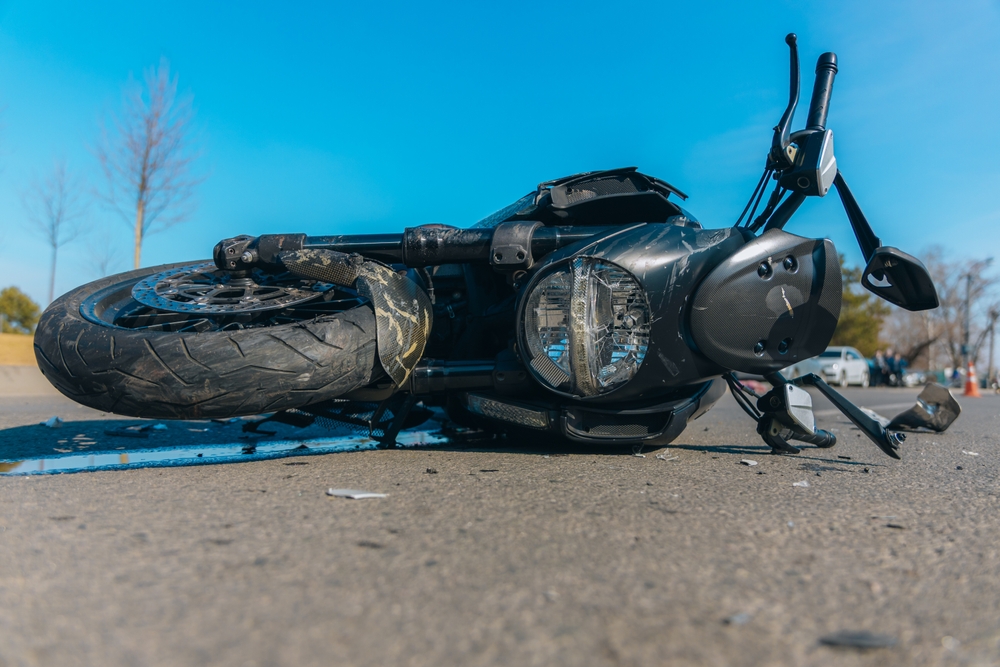
In April 2015, Michael Scobee was seriously injured in a motorcycle accident involving USAA Casualty Insurance Company’s (“USAA”) insured in Kentucky. Later that year, Michael Scobee and his wife, Linda Scobee (collectively the “Scobees”), made a formal demand in excess of the $100,000 policy limit in the policy issued by USAA. USAA responded that, based on its investigation, its insured did not negligently cause the accident. USAA requested that the Scobees provide proof of liability, and the Scobees never responded.
In December 2015, the Scobees filed a lawsuit against USAA’s insured in Missouri state court. The insured passed away before trial, and his wife was substituted in as defendant ad litem. The trial resulted in a $7 million verdict in favor of the Scobees. In January 2020, the trial court denied the insured’s post-trial motions. Later that month, USAA wrote a letter to the Scobees offering the policy limit in full satisfaction of the judgment in the underlying litigation. The Scobees did not respond.
In June 2021, USAA filed a declaratory action in Missouri seeking a declaration that the $100,000 policy limit would satisfy the judgment obtained by the Scobees. In May 2024, USAA filed a motion for leave to deposit funds into the court’s registry in satisfaction of the judgment. In June 2024, the district court held that USAA could pay toward the judgment in the underlying litigation by depositing the $100,000 policy limit into the court registry. The court further explained it would not order the Scobees to enter a satisfaction of judgment. In July 2024, USAA deposited $102,036.66 into the court’s registry, which represented the policy limit plus interest.
While the declaratory judgment action was pending in Missouri, in October 2021, the Scobees filed a suit in Kentucky state court against USAA for common law bad faith and violation of the Kentucky Unfair Claims Settlement Practices Act (“KUCSPA”). The case was removed to federal court and transferred to the United States District Court for the Eastern District of Missouri. The district court granted summary judgment to USAA on the KUCSPA claim, concluding that there was a lack of evidence USAA engaged in outrageous conduct required by the statute. The Scobees appealed.
Opinion
On appeal, the Eighth Circuit observed that KUCSPA listed specific acts it deems unfair settlement practices, including not attempting in good faith to effectuate a prompt, fair, and reasonable settlement of claims when liability has become reasonably clear. Before a cause of action exists under the KUCSPA, a plaintiff must prove 1) the insurer was obligated to pay the claim under the terms of the policy, 2) the insurer must lack a reasonable basis in law or fact for denying the claim, and 3) the insurer knew there was no reasonable basis for denying the claim or that it acted in reckless disregard for whether a basis existed. In other words, evidence must establish that the insurer’s actions during the resolution of the claim were outrageous or in reckless disregard of the rights of others. Ultimately, the Eighth Circuit reasoned that the district court did not err in granting summary judgment because a rational factfinder could not find that USAA acted outrageously or in bad faith.
The Eighth Circuit reasoned that a rational factfinder could not find that, prior to the jury verdict, USAA was obligated to pay the claim under the terms of the policy. The purpose of the underlying litigation was to determine whether USAA’s insured was liable for the accident with Michael Scobee. Until the jury returned a verdict for the Scobees, the claim was fairly debatable. Moreover, there was no evidence that USAA failed to conduct a reasonable investigation.
Liability became beyond dispute after the jury returned its verdict in favor of the Scobees. At that point, USAA’s insured became liable for Michael Scobee’s injuries, and USAA became obligated to pay the claim pursuant to the terms of the policy. Despite the Scobees’ argument that USAA acted outrageously and in bad faith by failing to timely pay the $100,000 policy limit, the court noted that USAA had attempted to pay the limit two months after the verdict in full satisfaction of the judgment in the underlying litigation. Because the Scobees neither responded nor rejected USAA’s condition that the payment be in full satisfaction of the judgment, a rational factfinder could not find that USAA acted outrageously or in bad faith.
Finally, the Eighth Circuit rejected the Scobees’ argument that USAA’s delay in paying the policy limit plus interest into the court’s registry until five years after the verdict constituted bad faith under Kentucky law. It reiterated that a mere delay in settlement does not rise to the level of bad-faith conduct. Absent proof of improper motive in USAA’s delay, there could be no bad faith. When the Scobees did not respond to USAA’s settlement offer, USAA initiated a declaratory judgment to determine its obligations under the policy and promptly paid the required amount of money into the court’s registry when ordered to do so. For all these reasons, the Eighth Circuit ruled that the district court did not err when it found no evidence of bad faith. Therefore, it affirmed the district court’s summary judgment.
Judge Bobby Shepherd issued an opinion dissenting in part. Judge Shepherd agreed with the majority that, due to the contested nature of the facts surrounding the accident, liability was not beyond dispute until the jury verdict. Because USAA did not pay the policy limit until 2024, Judge Shepherd believed a rational factfinder could find the delay constituted bad faith. While the majority pointed out that USAA offered to pay the policy limit two months after the jury verdict, Judge Shepherd believed the condition that the payment be made in full satisfaction of the judgment was facially unreasonable. A rational factfinder could find it outrageous to require that a claimant relinquish the $7 million judgment for the policy limit when the policy limit is already owed. Judge Shepherd also argued that there was not a delay in payment, but a delay in payment of a judgment after liability has already been established in a court of law. While it was understandable that USAA wanted to defend itself from paying the entire judgment, Judge Shepherd found no explanation was provided why USAA could not have first deposited the policy limit and defended itself against the remainder of the judgment if necessary. Therefore, Judge Shepherd would have reversed the district court’s grant of summary judgment.
Conclusion
The Eighth Circuit’s diverging opinions underscore the difficulties insurers face when engaging in settlement negotiations with a claimant on behalf of an insured. An insurer’s obligations can vary from jurisdiction to jurisdiction and depend heavily on the facts of the claim. As always, insurers should consider applicable law when making claim decisions to avoid unnecessary disputes.